


1.The current interactions between Afghanistan and China are all good and improving as both have their ambassadors. How you see the current political interactions/relations between the Islamic Emirate of Afghanistan and China and what do you think what developments have been made in relations between the two countries since the Islamic Emirate takeover in mid-August 2021?
China and Afghanistan are traditional friendly neighbors. Since the change of regime in Afghanistan, China has always adhered to the policy of "Three Respects" and "Three Nevers", namely, China respects the independence, sovereignty and territorial integrity of Afghanistan, respects the independent choices made by the Afghan people, and respects the religious beliefs and national customs of Afghanistan. China never interferes in Afghanistan’s internal affairs, never seeks selfish interests in Afghanistan, and never pursues so-called sphere of influence.
China has always maintained contacts and exchanges with Afghanistan in an equal and respectful manner, and helped Afghanistan alleviate economic and livelihood difficulties with practical actions. China has always carried out intensive multilateral coordination involving Afghanistan, playing a positive and constructive role in the smooth transition of the situation in Afghanistan.
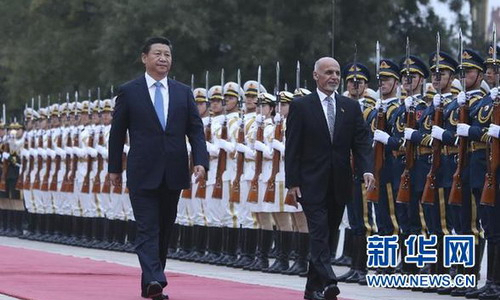
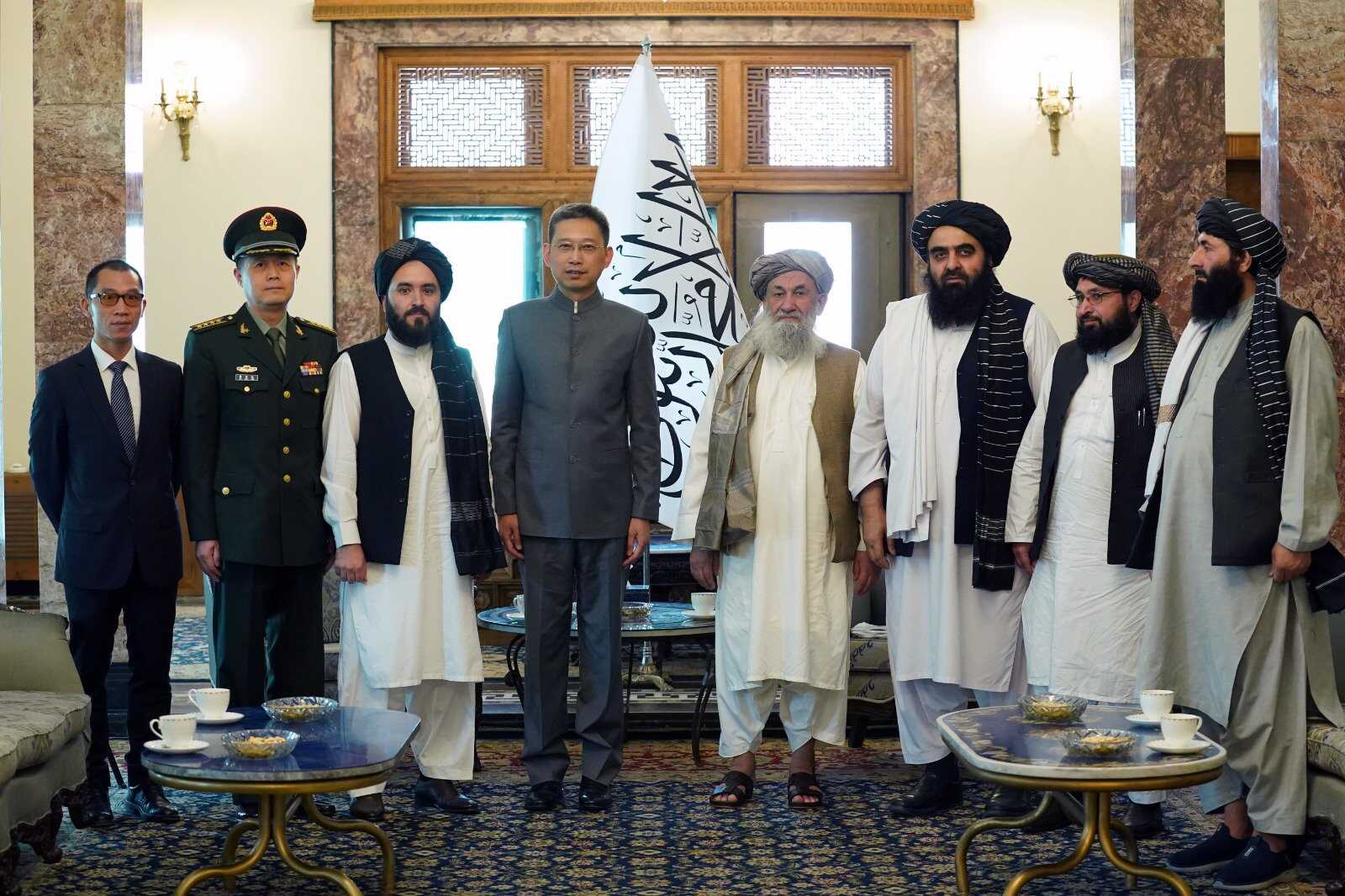
As a Chinese saying goes, good neighbors wish each other well, and close neighbors wish each other security. Over the past three years, the historical friendly relations between China and Afghanistan have been developed, political mutual trust has been enhanced, economic and trade cooperation has been deepened, and cultural exchanges have become closer. In January, Chinese President Xi Jinping accepted the credentials of Afghan Ambassador to China Mr.Karimi, marking that China became the first country to exchange ambassadors with Afghanistan and leading the bilateral relations to a new level.
At present, the Afghan people have a historic opportunity to take future and destiny into their own hands, and explore a development path that suits their national conditions. China will continue to assume the responsibilities of a major regional country and contribute to Afghan post-war reconstruction and economic development. China will also uphold justice for Afghanistan in international community, urging relevant countries to immediately lift sanctions and return Afghan overseas assets. China is committed to helping Afghanistan embark on a path of stable development as soon as possible, and working together with Afghanistan to achieve lasting security in the region.
2.With the Islamic Emirate takeover and improvement of overall security situation across Afghanistan, there have been opportunities for foreign investment in various areas in the country. We see that China has already shown interest in investment as it has invested in various areas in Afghanistan. Can you point to some of your country’s investment that has been made in the past few years in Afghanistan as well as your country’s investment for future?
Over the past three years, China-Afghanistan economic and trade cooperation has made a series of positive progress:
The Amu Darya Oilfield Project has been steadily advancing, bringing Afghanistan more than 40 million USD in fiscal revenue. The Mes Aynak Copper Mine Project is about to be fully restarted, and the construction of the access road to the mine officially kicked off last month. The recently signed pine nut industry cooperation agreement will greatly promote the scale, standardization and modernization of Afghanistan's agriculture. The direct flights between the two countries have also provided opportunities for more and more Chinese businessmen and enterprises to visit and invest in Afghanistan. China will continue to push forward the practical cooperation between the two sides in the economic and trade fields, helping Afghanistan enhance its independent development capabilities.
At the same time, the total trade volume between China and Afghanistan has been increasing year by year. According to statistics from the General Administration of Customs of China, the bilateral trade volume reached 1.33 billion USD last year, with an increase of 125%. The trade volume in the first half of this year has reached 750 million USD. Various economic and trade data continue to increase significantly.
3.The Islamic Emirate is in dire need of building the capacity of their workforce in all areas, and China has wide possibilities to support Afghanistan in this area. What do you think what have been done so far in this area and what are the plans for future?
China attaches great importance to Afghanistan's capacity building needs and has provided a large number of training opportunities in various forms. This year, nearly 600 Afghan officials have been trained in China, covering many fields such as industry and agriculture, medical and health, education and technology, finance and trade, counter-terrorism and drug control, etc. By sharing its development experience of modernization with Afghan friends, China has helped to significantly improve the governing ability and governance level of Afghan officials.
In the future, China will continue to promote training resources to Afghanistan, provide targeted training in more professional fields for Afghanistan, and help Afghanistan to strengthen capacity building in various fields. China will also help Afghanistan explore a development path that suits its national conditions, and achieve independent and sustainable development at an early date.
4.What are some programs that Chinese embassy to Kabul have followed/launched, particularly in providing scholarships to Afghan students, sharing the experiences of Chinese in science and technology, agricultural development, industry, municipality, education and other areas?
China and Afghanistan have close cooperation in education. In recent years, China has assisted in the construction of the Kabul University Auditorium and the National Vocational and Technical Institute of Afghanistan. The Confucius Institute at Kabul University, jointly established by China and Afghanistan, has trained a large number of Afghan young talents who are proficient in Chinese language and culture. Currently, there are thousands of Afghan students studying in China and nearly 200 students are studying at the Confucius Institute of Kabul University.
At the end of last year, in order to help and encourage Afghan students with good character and performance to complete their studies, the Chinese Embassy in Afghanistan specially set up the "Chinese Ambassador Scholarship", which has been awarded to 60 outstanding students of Kabul University. This project will continue in the future.
As Chinese President Xi Jinping announced at the conference marking 70th anniversary of Five Principles of Peaceful Coexistence, to better support Global South cooperation, China will establish a Global South research center, launch the Global South youth leaders program, and provide 1,000 scholarships under the Five Principles of Peaceful Coexistence Scholarship of Excellence and 100,000 training opportunities to Global South countries in the coming five years.
China is willing to work with the Afghan side to promote above-mentioned scholarships and training resources to Afghanistan, and provide more opportunities for Afghan students to study in China. I hope to see more Afghan students play a bridging role and contribute to the promotion of the friendship and relations of our two countries and peoples.
5.In what areas, China would like to help Afghanistan and what are your expectations from Afghanistan for the future?
As a responsible major country, China attaches great importance to assist Afghanistan and provides tangible help to the Afghan people. Over the past three years, China has provided Afghanistan with a total of more than 500 million RMB in cash and supplies assistance to help the Afghan people cope with the challenges of natural disasters such as Covid-19, earthquakes, droughts and floods.
Since this year, China has provided Afghanistan with a series of timely assistance:
Firstly, China provided 100 million RMB in emergency humanitarian aid to help Afghanistan resettle returnees. The first batch of supplies worth 40 million RMB has been successfully handed over to Afghanistan, including tents, blankets, vehicles and other infrastructure and necessities urgently needed.
Secondly, China respectively provided 1.5 million USD aid to UNICEF and UNHCR through the Global Development and South-South Cooperation Fund, to help Afghan disaster victims and displaced persons. In April, the Chinese Red Cross provided 100,000 USD cash assistance to the Afghan Red Crescent Society to support flood relief work.
Thirdly, China provided meningitis vaccines worth 4.85 million RMB to Afghan pilgrims, several short-term training programs for Afghan medical staff, and is discussing signing Memorandum of Understanding with Afghanistan on the second phase of technical cooperation of Jamhuriat Hospital of Kabul.
China will continue to implement its previously announced 1 billion RMB of bilateral aid to Afghanistan, and provide various of assistance according to Afghanistan’s needs to the best of our ability.
The Third Plenary Session of the 20th Central Committee of the Communist Party of China, which has just concluded, made overall planning for further deepening reform comprehensively to advance Chinese modernization. It will not only chart the course for China's future development, but also inject more energy and make greater contributions to the lasting peace and prosperity of humanity.
Looking into the future, China is willing to implement a high level of opening up to the world, including Afghanistan, and share the new opportunities of China's further comprehensive deepening of reform and promotion of Chinese modernization. We shall seek common development, achieve win-win cooperation, and work together to build a community with a shared future for mankind.